The Graft (1964)
always the same road
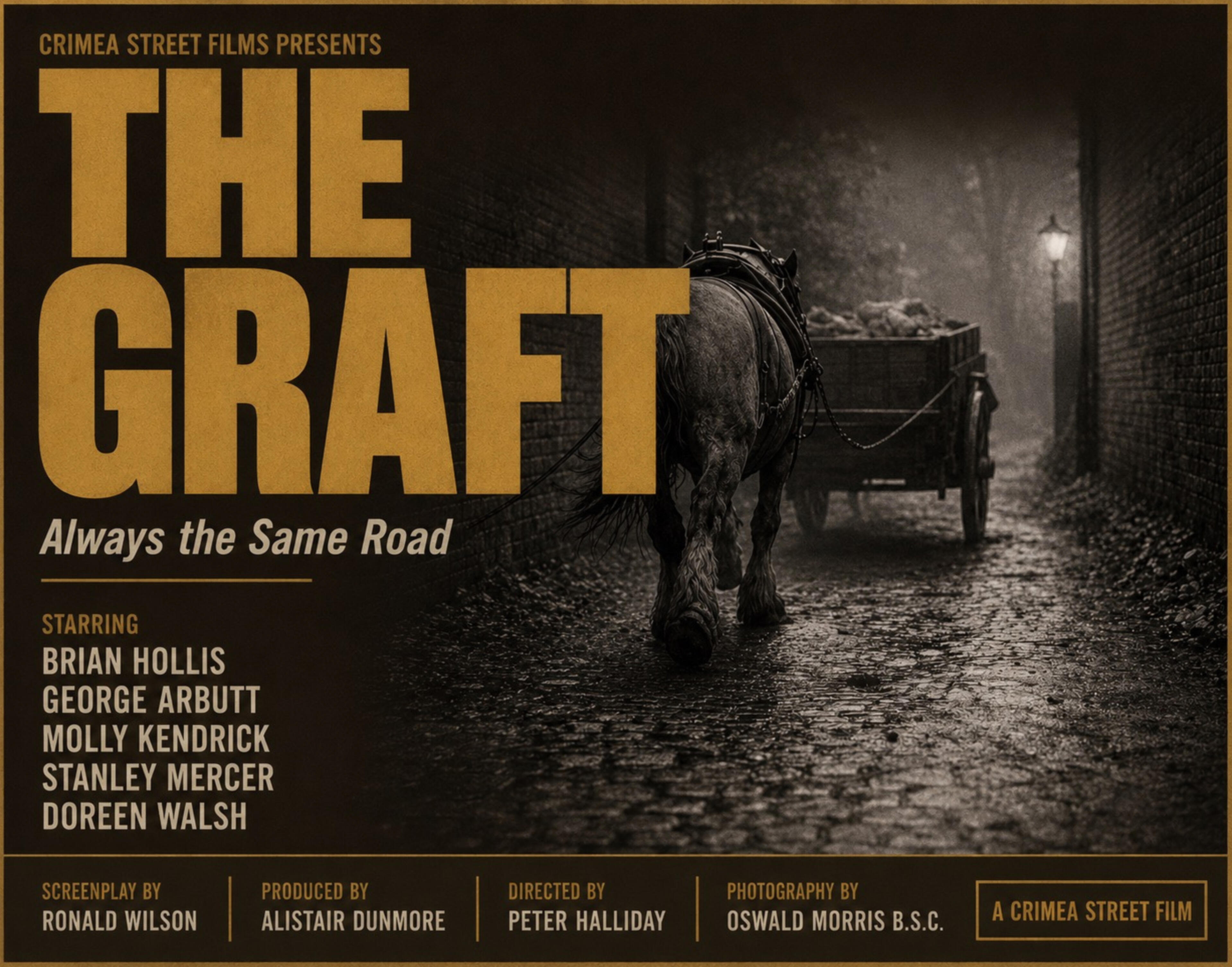
Released in 1964, The Graft follows a horse-drawn carter whose working day begins before dawn and ends only when the last delivery has been made.Travelling the same familiar streets each day, he supplies factories, warehouses, shops and homes with the goods that keep a northern town alive.Along the way he encounters the people whose own working lives quietly depend upon his, from warehouse foremen and market traders to factory hands and householders, each playing their part in the rhythm of everyday life.Patiently observed and beautifully photographed, The Graft is a thoughtful tribute to the dignity of ordinary work and the men and women whose daily efforts so often passed unnoticed.Like much of Crimea Street Films' output, it found only modest success on its original release but remains a quietly authentic portrait of working life in the North during the mid-1960s.
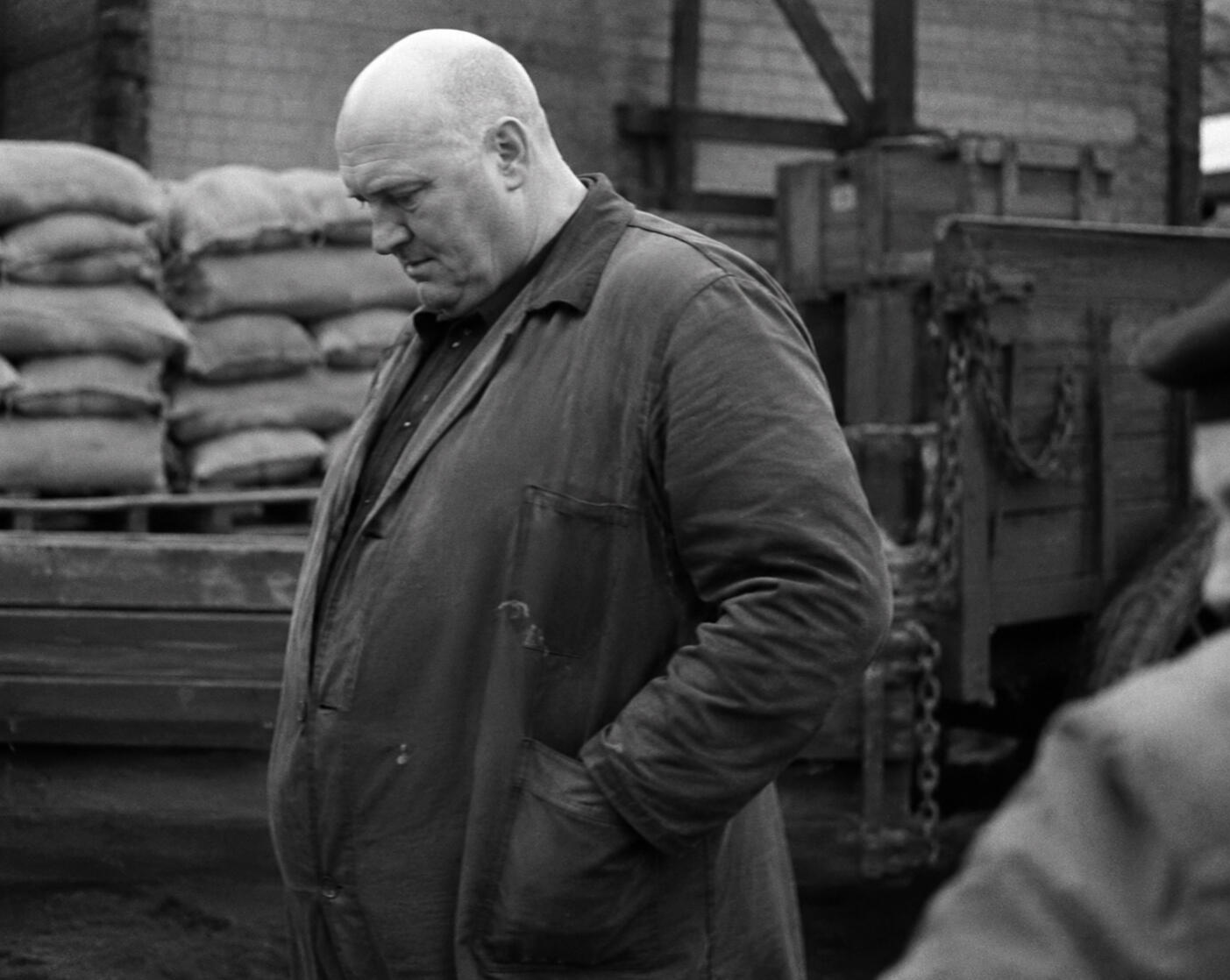
George Arbutt (1922–1998)George Arbutt was born in Clitheroe, Lancashire, in 1922. Leaving school at fourteen, he found work in engineering before being called up to serve in the British Army during the Second World War. Returning home in 1946, he resumed civilian life and soon became a familiar figure on the Northern wrestling circuit.Standing well over six feet tall and powerfully built, Arbutt wrestled throughout Lancashire and Yorkshire during the late 1940s and 1950s. Although never one of the sport's headline attractions, he earned a reputation as a dependable competitor and a popular figure among fellow wrestlers. Away from the ring, however, he was known for his quiet and gentle manner.He married Margaret Holden in 1951 and the couple settled in Burnley, where they raised two daughters.After gradually stepping away from wrestling, Arbutt began taking occasional acting work before joining Crimea Street Films. Directors quickly recognised his natural screen presence, often casting him in roles requiring quiet authority rather than lengthy dialogue. His best remembered performance came as the Warehouse Foreman in The Graft (1964), where his imposing appearance was perfectly balanced by an understated warmth that became one of his trademarks.Following the closure of Crimea Street Films in 1966, Arbutt returned to engineering while remaining involved with local amateur theatre and charity wrestling events. He died in Burnley in 1998, aged 76.
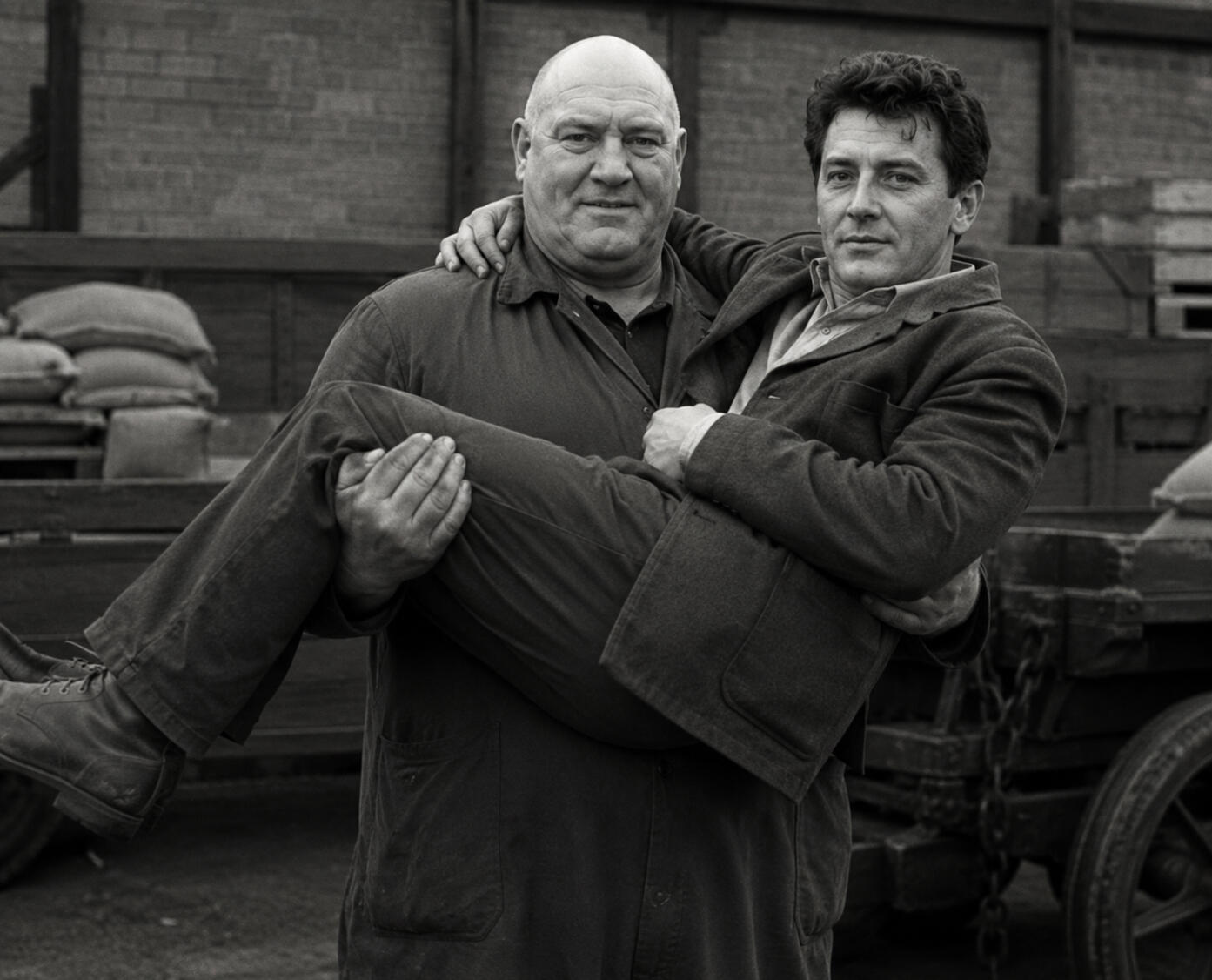
Brian Hollis and George Arbutt quickly formed an easy friendship while filming The Graft. During breaks between takes, they were often found talking beside the horse and cart, and Arbutt's wrestling background occasionally became the source of amusement for the crew.This impromptu photograph, taken while filming at the warehouse yard, has become one of the best-known behind-the-scenes images from the production.
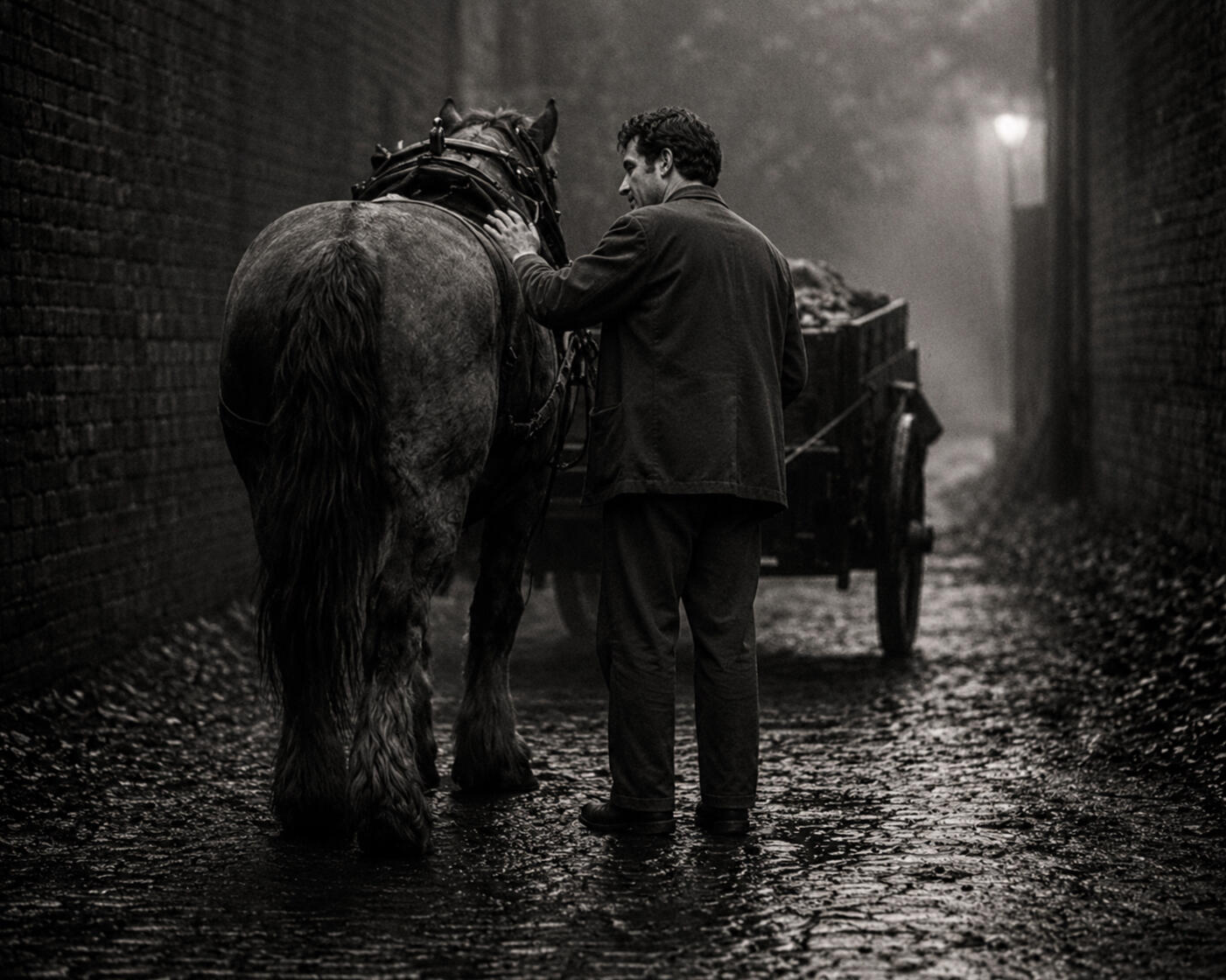
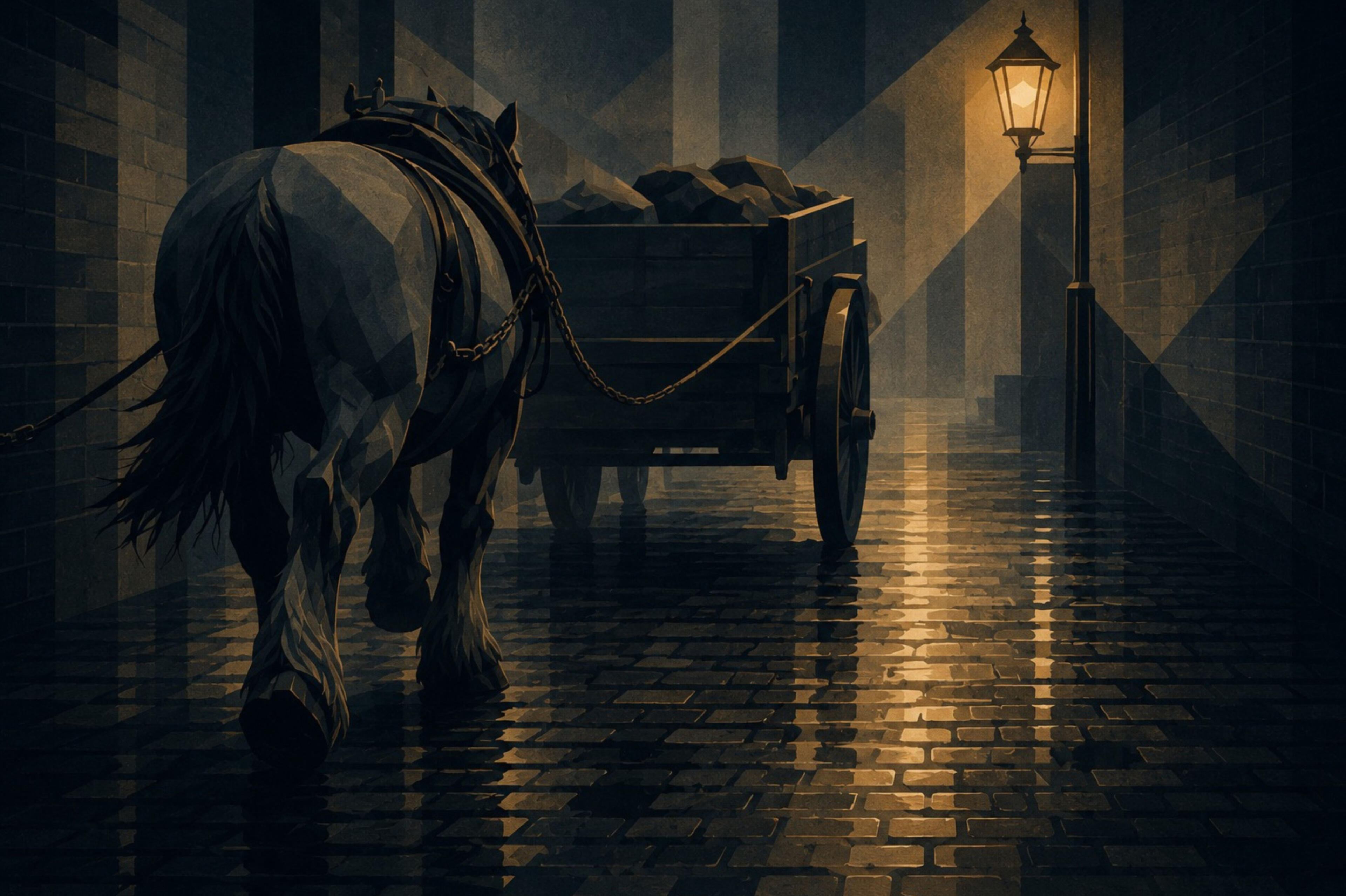
The Graft (Northern Deco)Olive James took one of the film's most memorable images and transformed it into a striking composition of bold geometry, reducing the horse, cart and rain-soaked ginnel to a series of strong lines, muted tones and carefully balanced light.James later explained that she saw the journey not simply as hard work, but as "the same road travelled a thousand times without complaint."The result is a work that celebrates the quiet dignity of ordinary labour, capturing not the destination, but the enduring rhythm of the journey itself.
Upon release, The Graft drew a mixed response from critics, many praising its atmosphere while questioning its deliberately unhurried pace.The Northern Review observed:
"An affectionate portrait of working lives that asks us to notice the dignity in repetition."The Daily Film Record was less convinced:
"Beautifully photographed, though one cannot escape the feeling that the horse covers rather more ground than the story."Even favourable reviews acknowledged that the film demanded patience from its audience. Commercially, The Graft performed modestly on its original release but has since become appreciated for its understated portrayal of everyday working life and its evocative depiction of Britain's disappearing horse-drawn transport.
From the ArchiveApparently, George's ring name was the Lancashire Hotpot because it was not only his favourite meal but also a wrestling move it created that involved 'stirring' his opponent above his head.